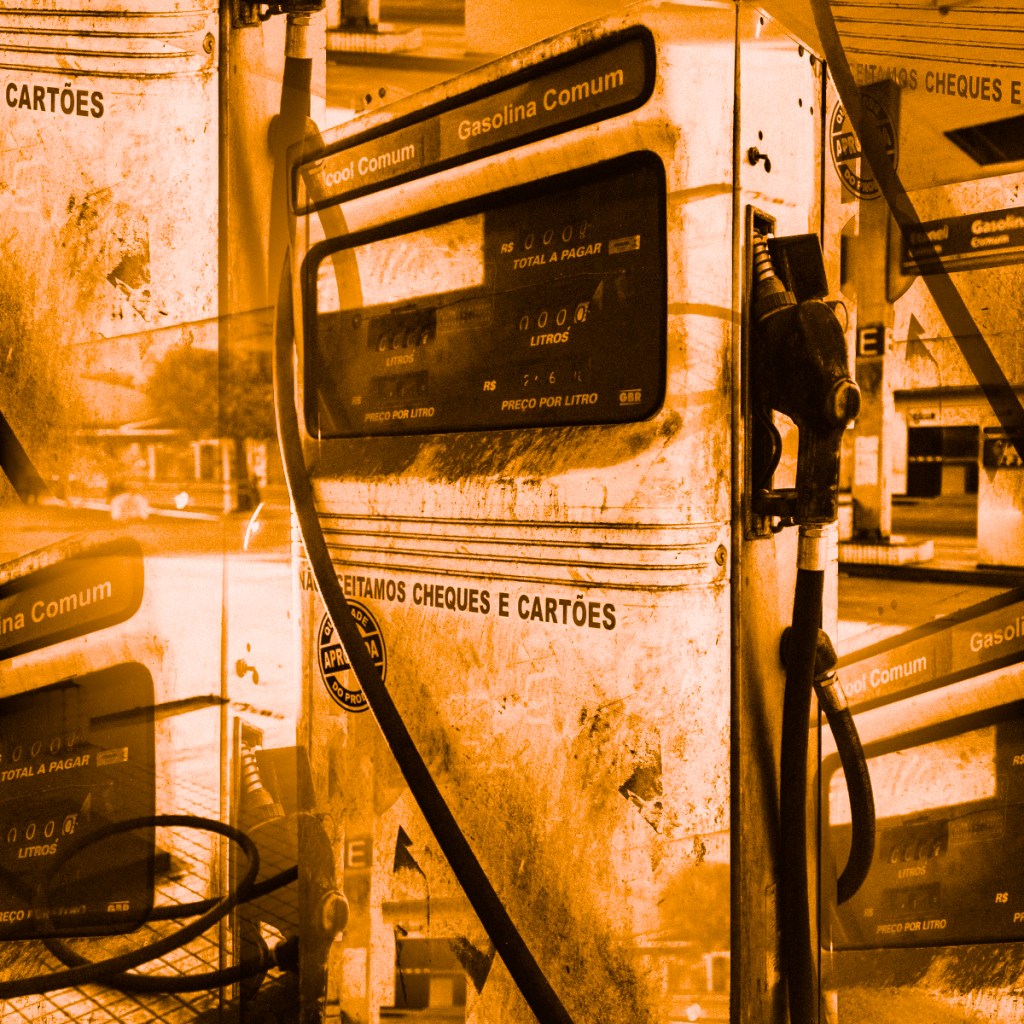
WITHOUT PETROL, THINGS WILL GET MUCH HARDER
If petrol becomes so expensive that most people cannot afford to operate a vehicle, certain specific changes will occur within our society. For example, tradespeople and mobile professionals, who pay for their own means of transportation, including petrol, will be forced to restrict their driving.
Over time, these workers will seek to consolidate work appointments into time blocks to save on petrol expense, which in practice means they will opt to work part-time.
Within three to six months, many will wind up their business enterprises, unable to strategise around price inflation and the significant reduction in business income that comes from undertaking much less paid work.
Along with painters and plumbers and electricians, we will also observe the disappearance from view of taxicabs, Uber cabs, and shuttle buses. Not to mention other mobile businesses that rely on petrol-powered vehicles such as animal grooming, pool cleaning, garden landscaping, personal training, home hairdressing, pizza and food delivery, package pickup and delivery, and supermarket grocery delivery.
What has been mentioned so far largely relates to private enterprise. But what about the public domain? As petroleum products become unobtainable, in this example due to prohibitive cost, imagine what this might mean for our emergency services.
As well as the outpatient service, the in-home service, the residential care service, the mobile counselling service, the disability employment monitoring service, and mobile doctor service.
And then, there is the necessary local council services such as lawn mowing, tree trimming, street cleaning, refuse collection, and the mobile library service.
Of course, there is the postal service with its large car, van, and motorcycle fleet. Plenty of petrol and diesel is needed to keep these vehicles on the road.
Lastly, let’s not forget the public transportation network that relies heavily on the bus as a means to shift large numbers of people around town.
In a universe where the cost of petrol and diesel does not stabilise but rather continues to climb upward, the various services identified above will also be trimmed before being eventually cancelled.
Just imagine if council refuse collection was changed from the current weekly service to a new monthly service. Imagine the garbage pile up between collection days, the stench, the vermin.
Or if the city wide bus service cancelled 50% of its operating hours, leaving people stranded in already under-serviced suburbs, with zero chance of getting to the railway interchange station unless they pay for a premium car service (assuming one remains in operation).
Our supermarkets are serviced and supplied by a fleet of trucks and lorries that travel by road over long distances. These heavy load vehicles require large amounts of petrol or diesel to operate. Should petroleum products such as petrol and diesel become scarce or otherwise difficult to obtain, our supermarket shelves will soon empty before remaining in that useless state.
When the trucks no longer arrive, the supermarkets will themselves become inoperative, and many will shutter and close down, and a media campaign financed, developed and promoted by the supermarket industry will describe these closures as temporary but necessary.
With this in mind, from where will local people procure their weekly supplies? And, if there’s no petrol to run the car to travel further to get to the only supermarket that remains operative and open for business, what then?
Do we turn on each other, fighting over toilet paper in the streets, reducing ourselves to the animal state, or do we discuss, plan, strategise, organise, and implement a valid workaround?

 Punk Human
Leave a comment