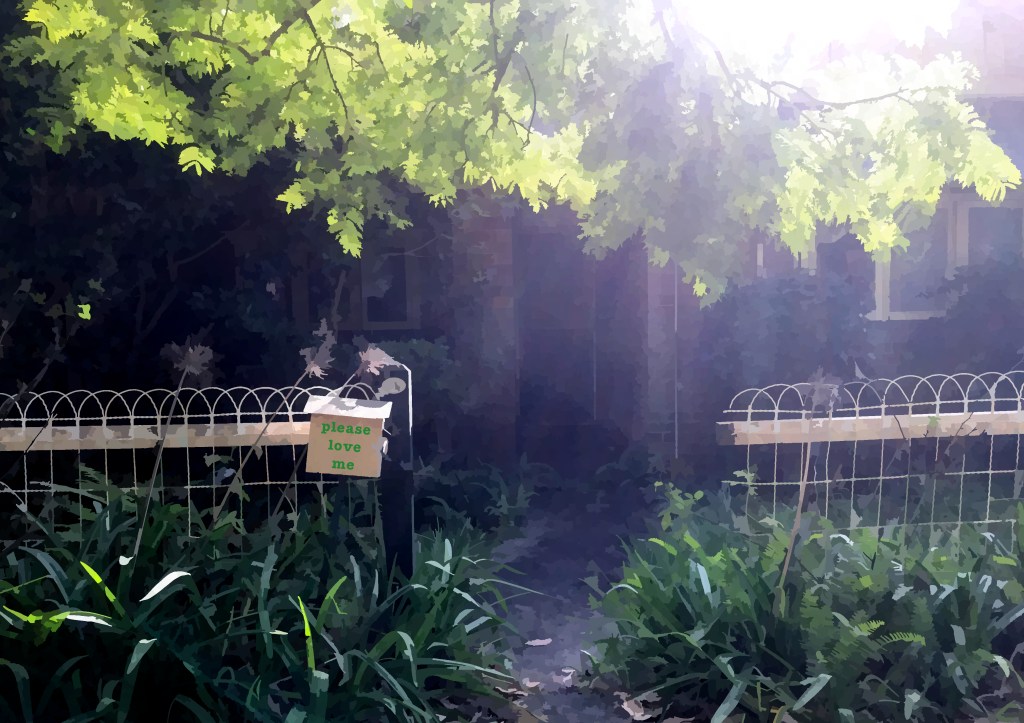
ROTTEN TO THE CORE: SYDNEY’S FORMER HOMES GOING TO WASTE
by Keith Salter
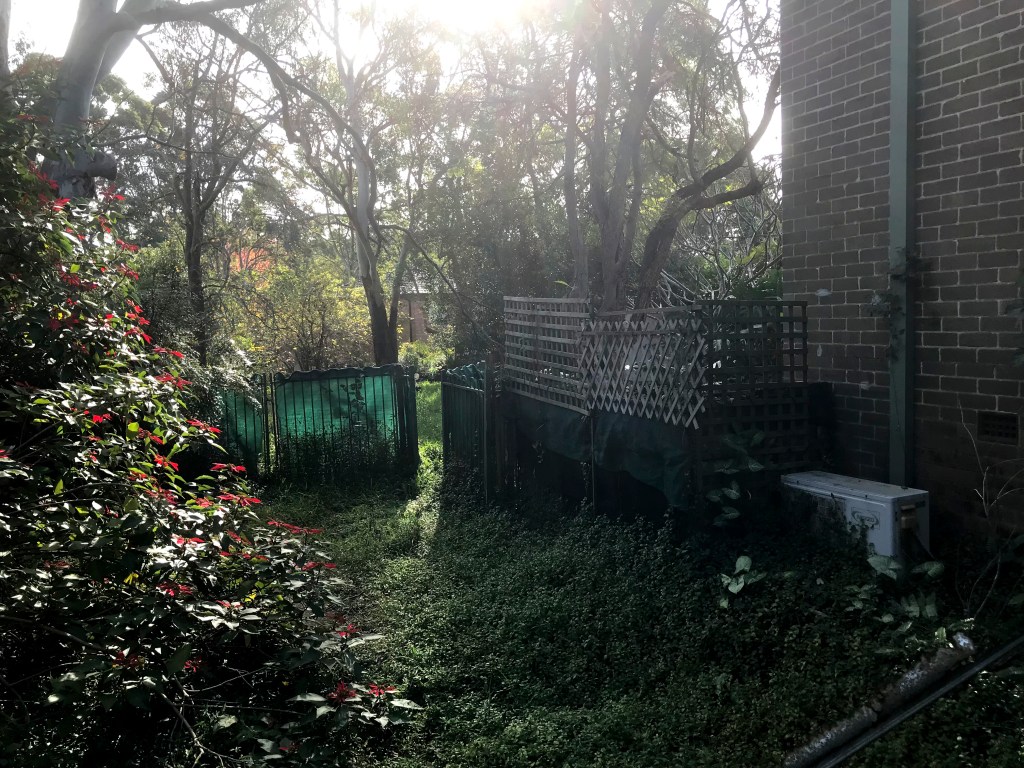
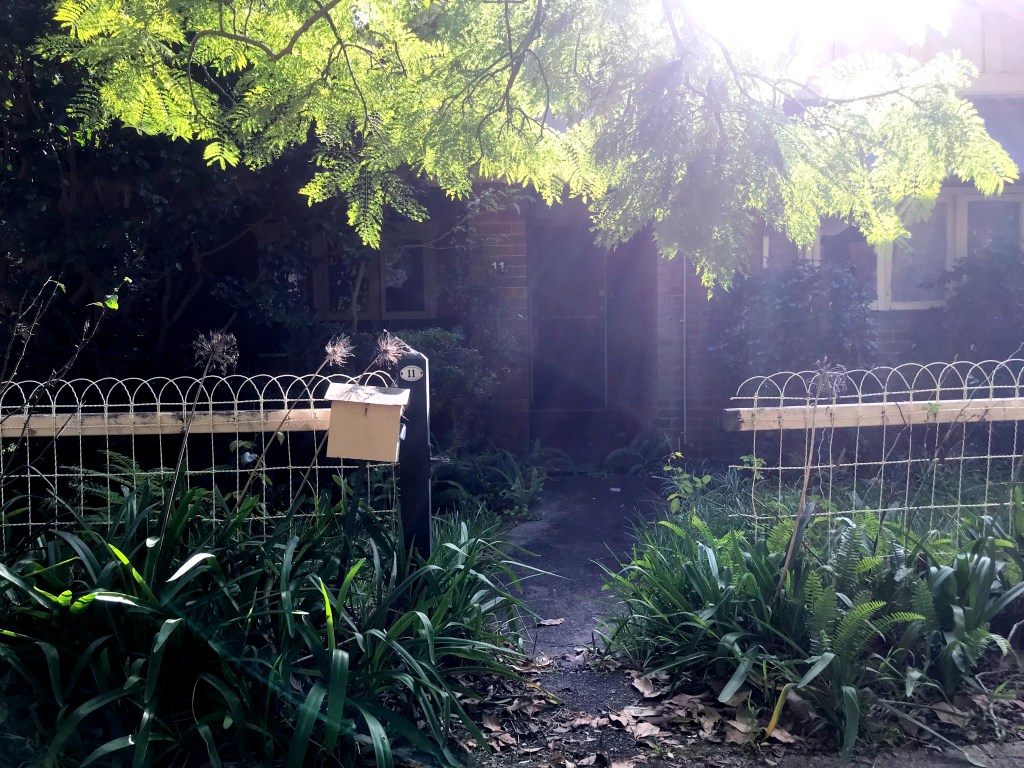
There remains a significant number of abandoned properties dotted throughout our local neighbourhoods that are slowly rotting away. It is apparent that each of these properties has been disused and neglected for quite some time. When observing these properties in person, it becomes clear that they were once near perfect buildings and probably very pleasant homes, with each positioned in a handy location close to shops, schools, major roads, and public transportation. These are not small properties: they are multi-bedroom houses, often situated upon large plots of land with garage, lawn, and sometimes a swimming pool.
The process of deserting a property is somewhat curious. It remains a concept that most people would find odd, particularly young people who may be seeking a first home, or others who may be seeking a change in housing to accommodate a change in circumstances, like having a baby. After all, what drives someone to first establish a wonderful home, only to see it fall into a wreck through abandonment and neglect?
Considering this, it then becomes clear that at some point, it is possible that something important must have changed within the life of each property owner. Perhaps, it is the case that the practical demands of maintaining an additional property have simply overwhelmed the absentee owner.
On the other hand, maybe I am being far too kind here. One may reasonably speculate that a somewhat more insidious motive lies behind the fashion of letting houses rot. Which is, that at least some property owners have zero interest in housing people, despite the fact that they own residential property. An investment strategy can be detected here that perceives individual properties solely as financial instruments that may be used to generate profit. Within this perspective, there is no room to consider houses and apartments as important and scarce social resources that are designed to accommodate people.
Either way, chances are there is a house rotting and completely going to waste in a street near you. They are not difficult to spot. It could be the unkempt lawn, or the overfilled letterbox where its protruding contents are spoiling, or the letterbox whose slot is covered in cobwebs. It could be that the switch on the gas meter is positioned horizontally, indicating that the gas has been turned off. It could be that the front lawn of the property has over time become a local dumping ground, and fly-tippers are just leaving anything they like in the area. It could be the large boards over the windows and doors, or the unchecked wire barriers that rest uneasily at sharp angles, and seemingly have a life of their own once the wind gets up.
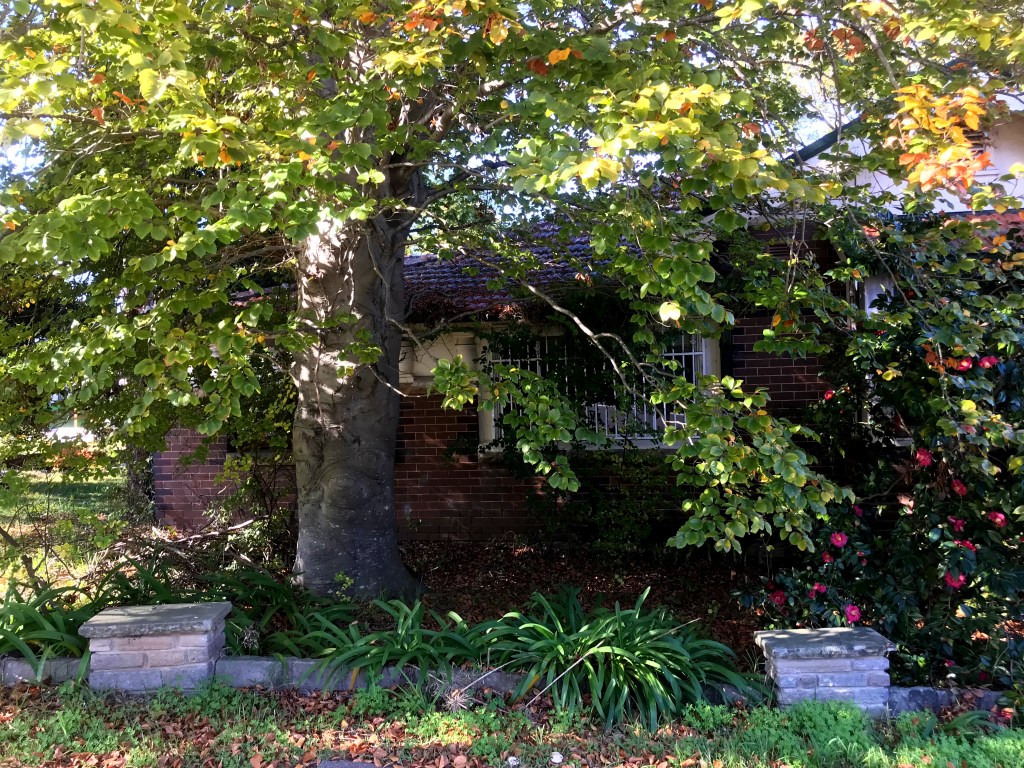
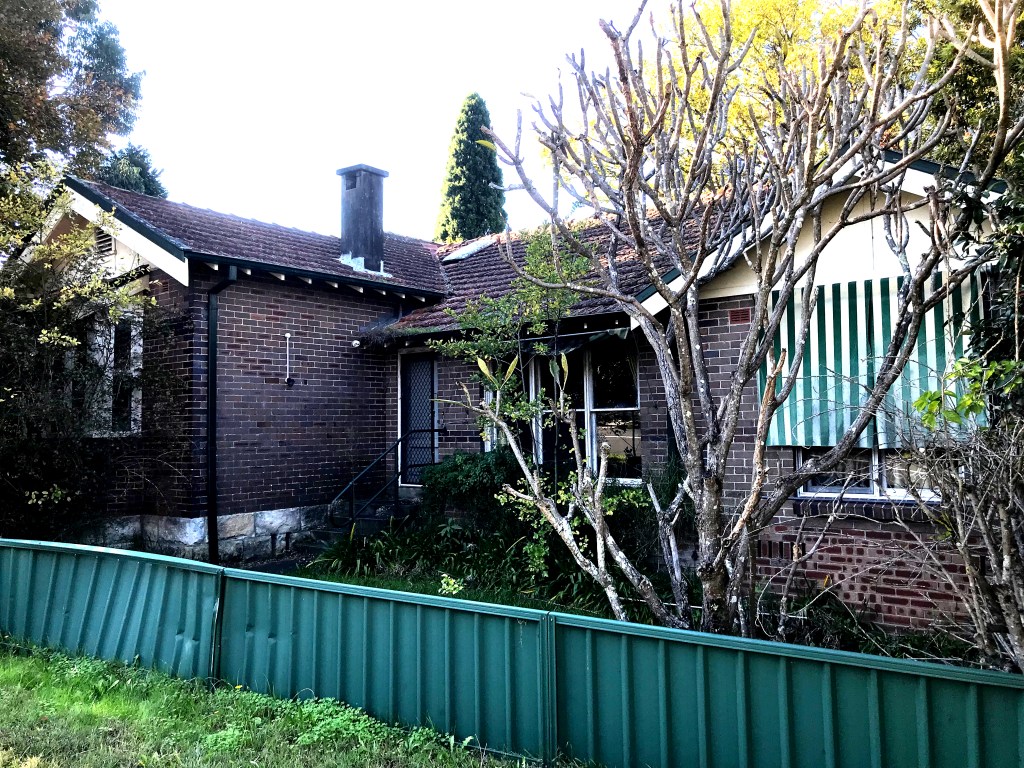
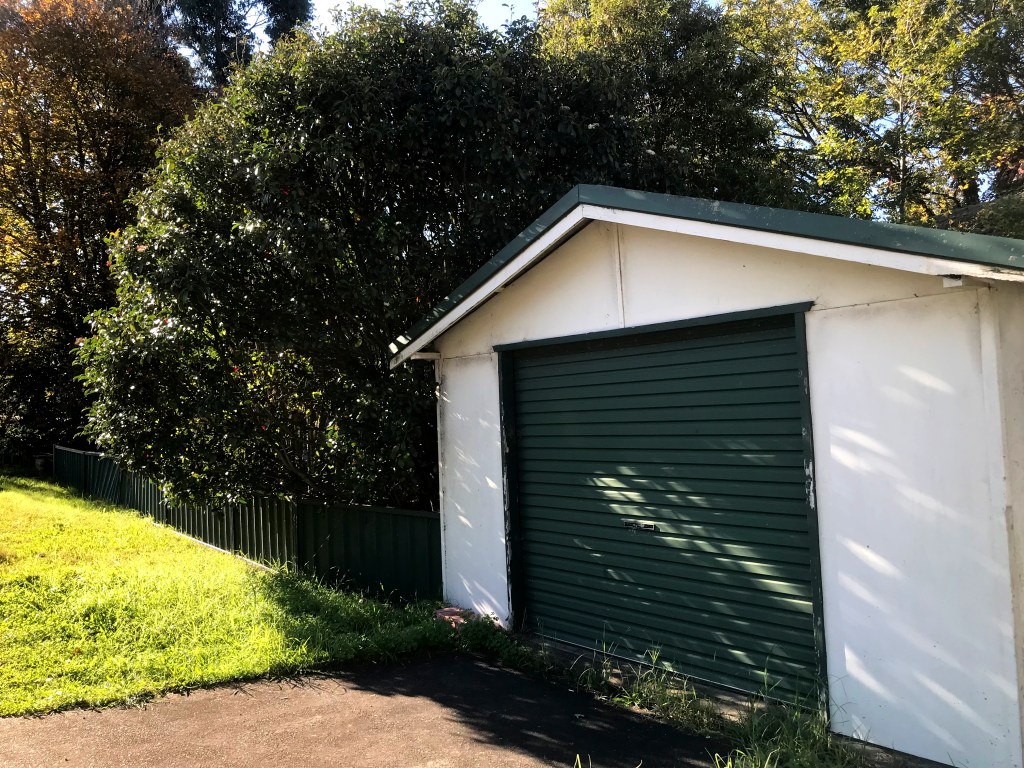
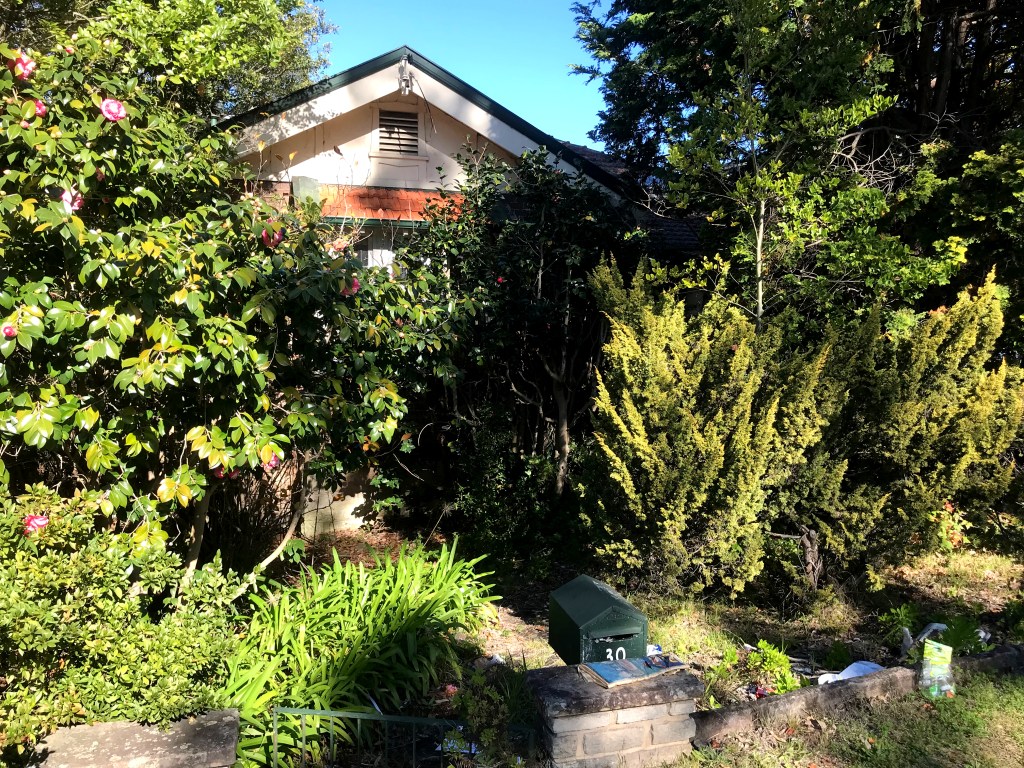
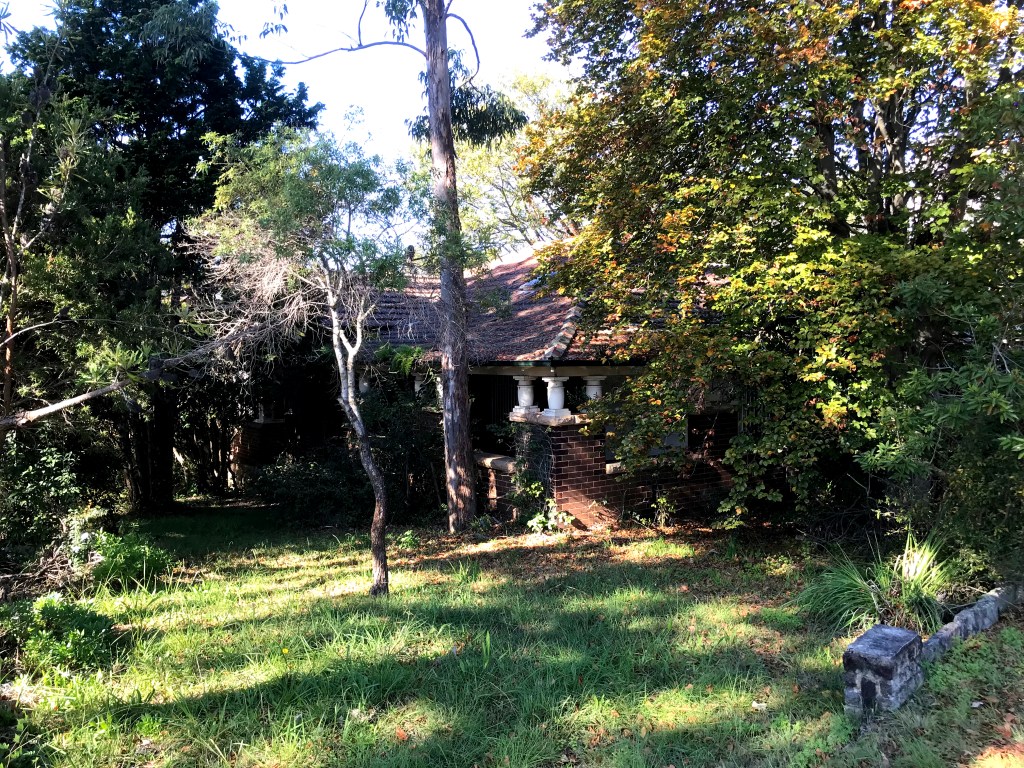
The trend of abandoning once liveable properties and reducing a house to a wreck is an abhorrent one. Wherever this occurs, we should understand that all of the human effort that went into creating and maintaining that particular house and home has now been discarded. Moreover, because we will always need housing, this important social resource will now have to be duplicated, perhaps elsewhere but still nearby, increasing the pressure on scarce local resources. Regardless of the specific reason for the abandonment of any property, it remains quite clear that properties should not be left unattended to, so that rot and ruination are visited upon them.
Rather, if a property owner will not or cannot make the property available for habitation within two years, it should either be put on the market for someone else to rehabilitate or be seized by the local administration and put back into the local housing supply. The principles of free market capitalism are unable to account for bad behaviour, whether that be malicious or indolent in nature. Hence, the necessities of our daily lives, like housing, food staples, education and training, and medical care, really do need to be segregated and insulated from the free market, which is only free for those that can afford to participate, and that is fewer and fewer of us.
For example, let’s take ten local properties, each with two or three bedrooms, and each of which currently sit empty. If, after a period of rehabilitation, these ten properties were recalled back into appropriate use, they could collectively provide accommodation for around thirty people. Now multiply this effect by every suburb in the local council electorate, the local catchment area, or the wider metropolitan area.
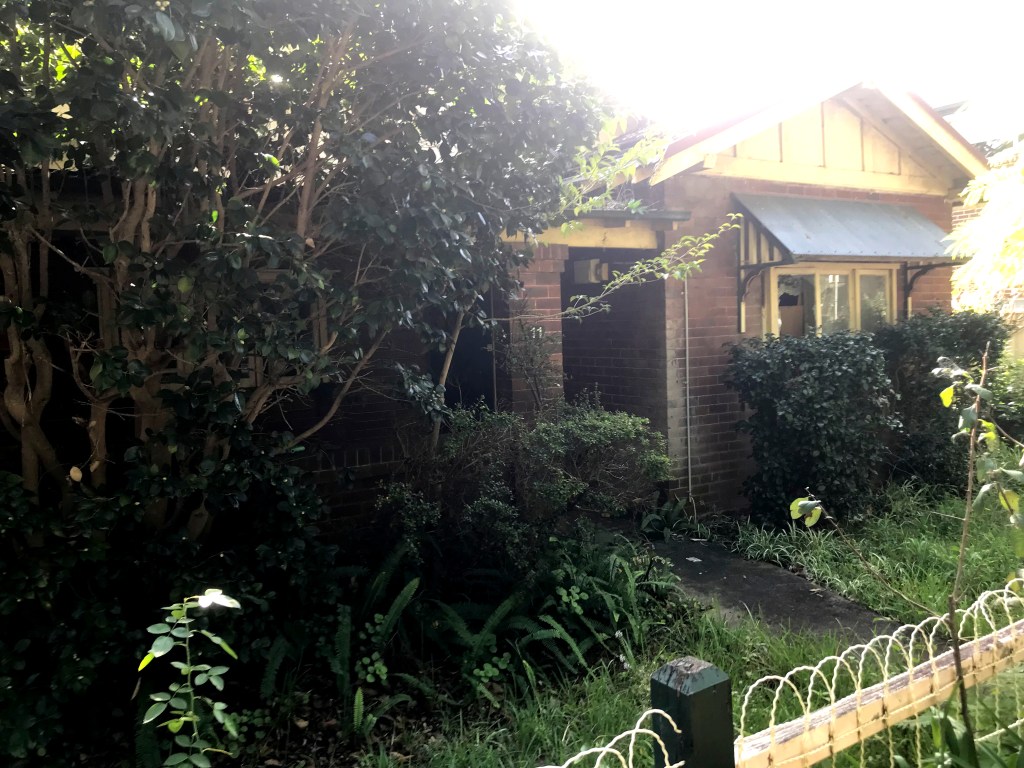
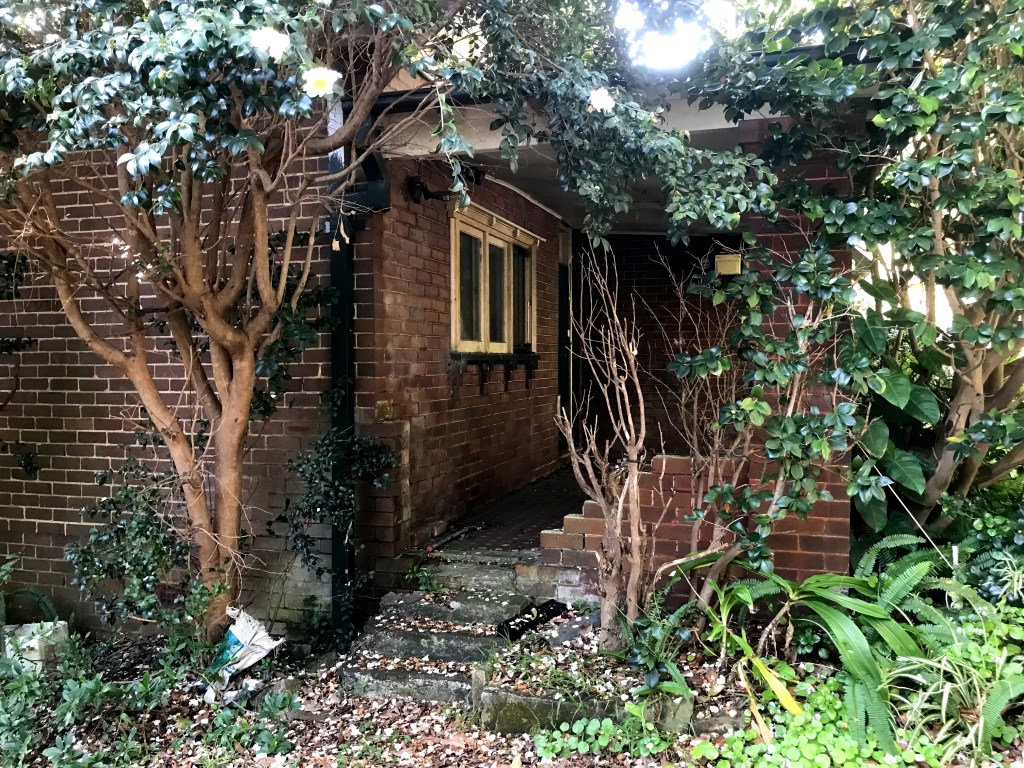
People should rightly be able to locate suitable accommodation without much effort or trouble. It really should not be an enormous drama to simply find a house or apartment that can be made into a lovely home. However, as you have by now gathered, this is not the case. Houses and apartments are in short supply. The property market is exclusive and only caters to the posh end of town. People are sleeping in cars and underneath the stars, which quickly ceases to be exciting when it represents the sum total of one’s options. Others remain, sometimes precariously, in domestic situations that they would prefer to leave. Others still, see their hopes and dreams dashed as they cannot afford rental accommodation, or even begin to financially position themselves in order to purchase a home.
Earlier, I proposed a top-down solution in relation to appropriately managing our local housing stock. Looking at this from the bottom-up, another solution appears. Which is, for people in need of housing to simply move themselves into properties that have remained empty for a sustained period of time, usually several months. In this way, people take clear responsibility for themselves and their housing. They also reject environmental waste, unnecessary duplication of human effort, and the artificial restriction of housing supply. And, in practical terms, they also curtail the preventable destruction of human accommodation, which as we have seen, is largely the result of the habitual neglect of the absentee owner.
In sum, the abandonment of a property either indicates that an absentee owner is unreliable and irresponsible or that they are using the housing market solely as a vehicle for profit-making. In both cases, the property has been removed from the supply of available housing. As these former homes slowly disintegrate and turn into waste, people are sleeping in the streets. This remains an unacceptable outcome. If those in power will not assist the homeless in the most pragmatic way, then it is up to the homeless and their supporters to enact a bold transformation of their own living conditions.

 Punk Human
Leave a comment