EMPTY PROPERTIES SHOULD BE LIVED IN
by Keith Salter
Within the state of New South Wales (NSW), and perhaps within every state and territory of Australia, the cost of simple housing has skyrocketed. The cost to rent a property is now so high that if one is fortunate enough to locate suitable accommodation, one is unlikely to be able to do anything about it. We have arrived at a particular historical point that roughly aligns with the 1930s Depression era. It is an inflection point, where, seeking a new home, somewhere appropriate to our current needs and desires, is no longer a practical endeavour. In the current social climate, house hunting has been reduced to a purely whimsical and theoretical exercise. Because most of us simply do not have the money to afford the new wave of exorbitant rents that are being demanded by landlords, often through real estate agencies.
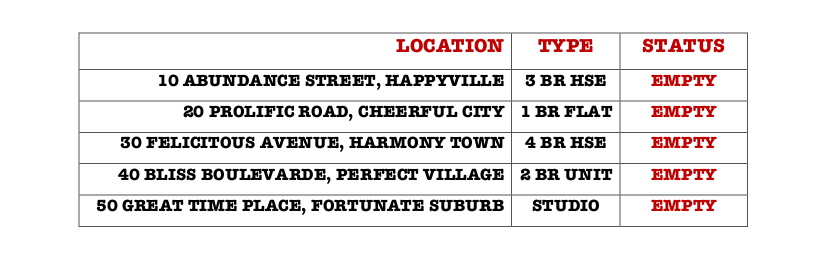
Concurrently, many Australian suburbs host properties that have been abandoned. And, within some suburbs these empty and disused properties can be found in clusters, sometimes along a single street block. A significant portion of these abandoned properties have been suspended within a state of disuse for a lengthy period of time, often multiple years. Both local council and state government resist employing an empty properties register, where the register is current and public. The value of such a register can be found in its inherent ability to identify, locate, and count, empty dwellings and unoccupied properties. Lastly, each of these underutilised properties has been kept in this state of disuse through either design or neglect. And either way, the act of keeping properties empty runs counter to the common interest of the local community.
Below: Abandoned properties in the Sydney suburb of Epping. April, 2024.
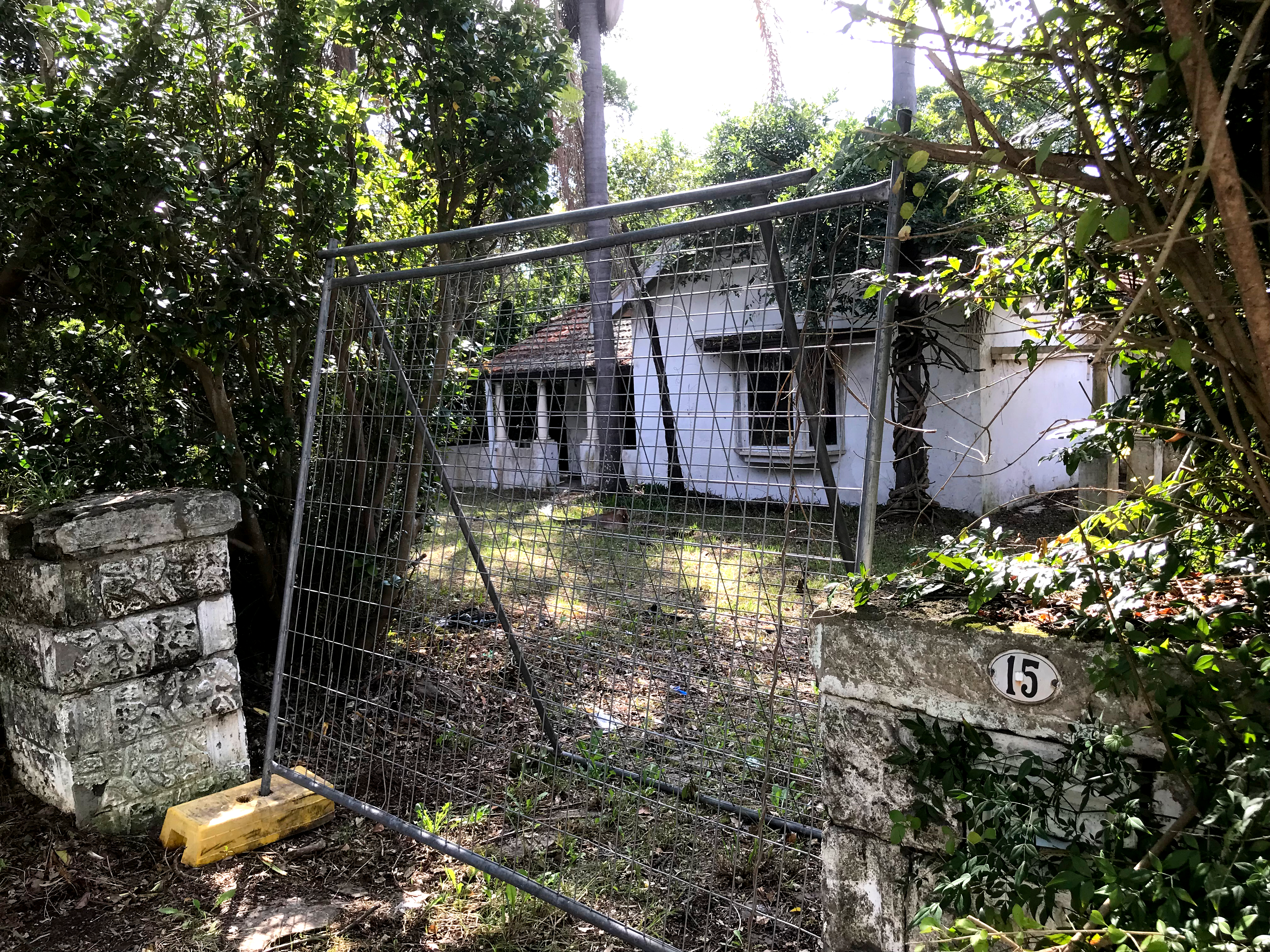
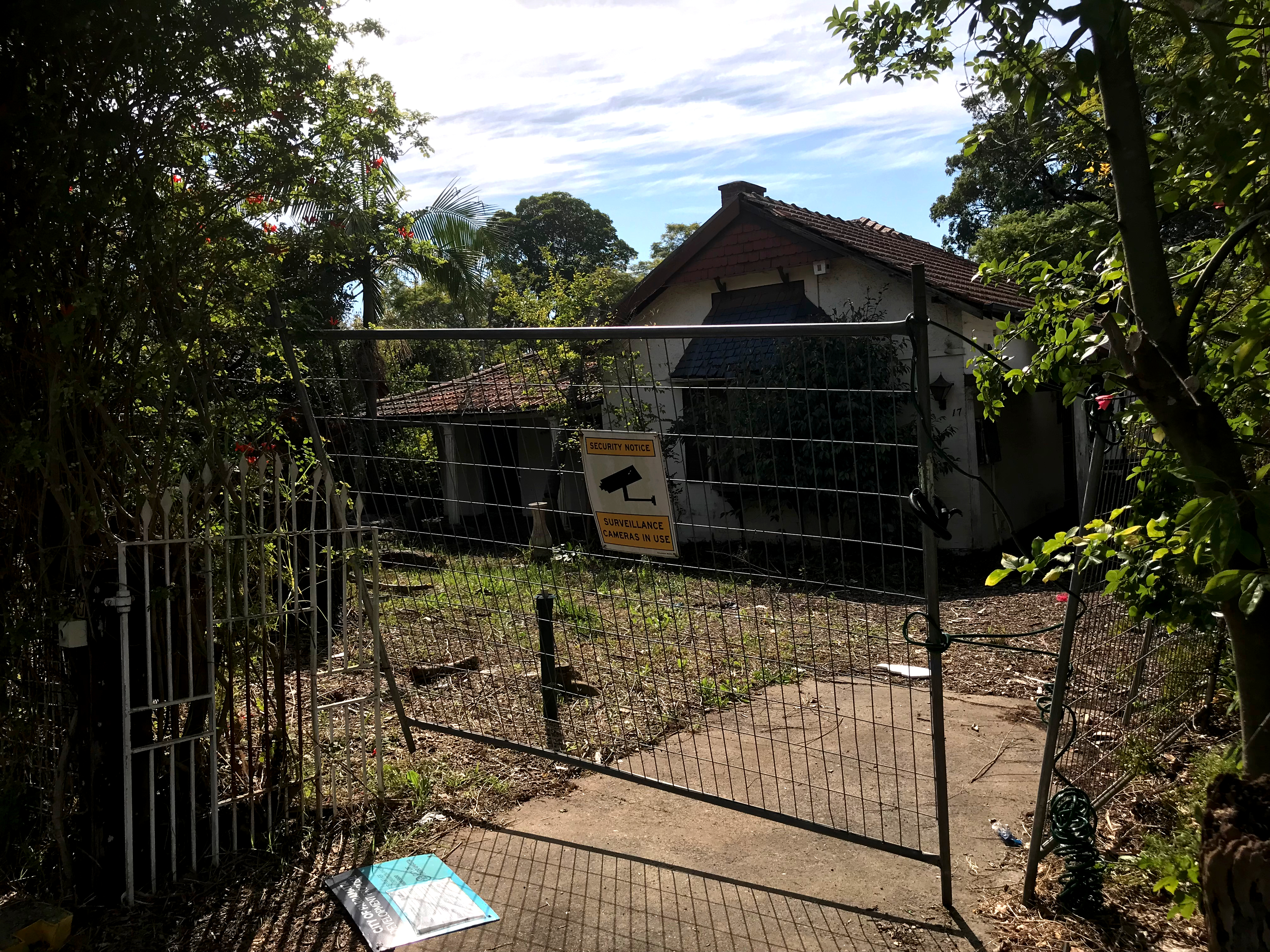

Photo | Keith Salter
Few reasonable people are confused about this matter. Most realise that an organised society sensibly allocates housing resources based on social requirement. Pricing out the majority of local people is therefore the very antithesis of appropriate social organisation. The material cost of shutting out whole sections of our community from suitable rental accommodation is substantial. Homelessness swiftly becomes rampant and visually evident. Walking down the street will cause you to encounter people sleeping in doorways and under display windows, as well as spot them in the nearby patches of bushland that border our estates and suburbs. However, the homeless are not frozen in place in the manner of a painting. They are human and therefore dynamic.
In sum, a responsible and benevolent society understands that local housing stock is an important and valuable social resource which has only one purpose: to accommodate the local people. Moreover, whilst it is quite clear that extensive local housing resources certainly do exist, it is also true that a significant amount of these important resources remain underutilised through disuse. Leaving properties empty, vacant, idle, and in a state of abandonment runs counter to our common interests and contributes to the plight of the homeless. In light of the housing crisis, matching a homeless person to a vacant property may be a worthy solution that could provide immediate relief and may also be the right thing to do.
Below: What an empty properties register might look like, if one was to exist.
UPDATE:
I have now constructed an Empty Properties Register, which you can view by clicking on the link at the top of the page.
 Punk Human
Leave a comment